What Your Homeowner's Insurance Won't Tell You About Fallen Trees (Until It's Too Late)
A heavy March snowstorm rolls through Boulder—the kind that dumps eighteen inches of wet, heavy snow overnight. By morning, a massive limb from your cottonwood has come down across your fence, clipped your neighbor's shed, and blocked your driveway. You pull out your insurance information, confident that this is exactly what homeowner's insurance is for.
Then you start making calls.
What follows is a crash course in the gap between what most homeowners assume their policy covers and what it actually covers. It's a lesson that tends to be expensive, stressful, and completely avoidable if you know what to look for ahead of time.
The Basic Framework (And Where It Breaks Down)
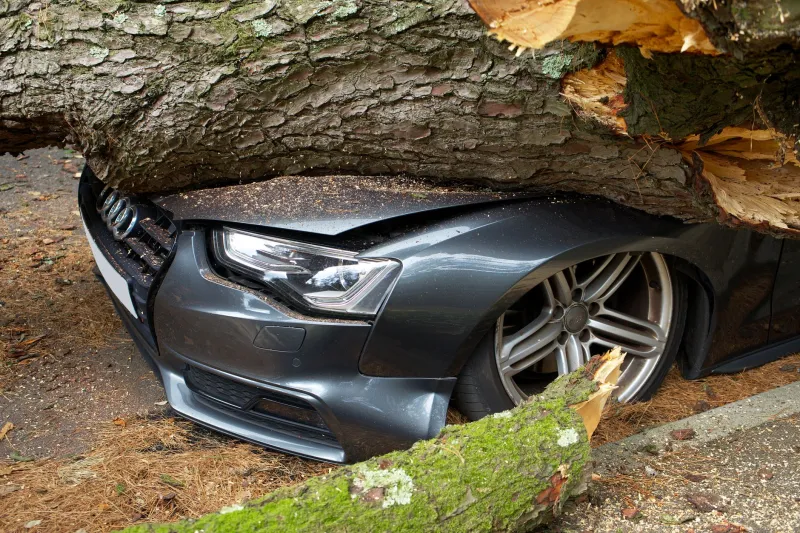
Standard homeowner's insurance policies generally cover damage caused by falling trees or limbs—but only under specific circumstances. If a tree falls on your house, your garage, or another covered structure, you're typically in decent shape. The cost of removing the fallen tree and repairing the structure will usually be covered, minus your deductible.
But that's where the clean story ends.
If a tree falls in your yard and doesn't hit a covered structure? In most cases, removal costs are entirely on you. A full tree removal in Boulder can run anywhere from $800 to several thousand dollars depending on size and access. That's a significant out-of-pocket expense for something that feels like it should be covered.
And if your tree falls onto your neighbor's property? This is where things get genuinely complicated.
The Neighbor Problem: Liability and the 'Negligence' Question
Here's the scenario Boulder homeowners need to understand clearly: if a healthy tree on your property falls during a storm and damages your neighbor's car, fence, or home, your neighbor's insurance typically covers the damage—not yours. You're generally not liable for acts of nature affecting a tree that showed no signs of distress.
The word 'generally' is doing a lot of work in that sentence.
If your tree was visibly dead, severely diseased, or had documented structural problems that you were aware of and failed to address, the liability calculation shifts. Your neighbor—or their insurance company—can argue that the damage resulted from your negligence rather than an unforeseeable weather event. At that point, your liability coverage becomes the relevant policy, and you could be looking at a significant claim against you.
This is why the condition of your trees isn't just a landscaping concern. It's a legal one.
What Insurers Are Starting to Require
The insurance industry is paying closer attention to trees than it used to. In high-risk areas—and Boulder, with its heavy snow loads, Chinook wind events, and mature tree canopy, absolutely qualifies—some insurers are now asking pointed questions about tree maintenance during policy renewals.
A handful of insurers have started including clauses that reduce or deny coverage for tree-related damage if the homeowner can't demonstrate reasonable maintenance. 'Reasonable maintenance' is vague enough to be frustrating, but in practice it generally means: were there obvious warning signs that a tree was failing, and did you do anything about them?
Documentation matters here more than most people realize. An arborist inspection report that certifies your trees are structurally sound creates a paper trail showing you acted responsibly. If a tree that was inspected and cleared subsequently fails in an extreme weather event, that documentation supports your position that the failure wasn't foreseeable.
Does Tree Maintenance Actually Affect Your Premium?
Sometimes, yes—though it varies significantly by insurer and policy. The more direct financial benefit of regular arborist care isn't always a lower premium; it's avoiding the scenarios that lead to large, complicated claims in the first place.
That said, it's worth having a direct conversation with your insurance agent about how they view tree risk on your property. Some insurers will note large, mature trees near structures as elevated risk factors. In those cases, demonstrating a history of professional maintenance and inspection can genuinely influence how your property is evaluated.
In Boulder specifically, mature trees near homes are almost universal—it's part of what makes the city's neighborhoods feel the way they do. That means tree risk isn't a niche concern for a few properties. It's a mainstream insurance issue that most homeowners here are underinformed about.
Snow Load: Boulder's Specific Risk Factor
Boulder's snowfall patterns create a tree risk profile that's different from most of Colorado. The city is positioned to receive heavy, wet spring snowstorms that pile significant weight onto trees that are already leafing out or haven't fully hardened off from winter. This combination—wet snow plus early foliage—is responsible for a substantial portion of the major limb failures and tree collapses that happen here.
Species with wide, horizontal branching structures are particularly vulnerable: blue spruce, Austrian pine, and many ornamental trees fall into this category. If you have large specimens of these species near your home or your neighbor's property, having them inspected and selectively thinned before spring storm season is genuinely risk management, not just tree care.
Building Your Paper Trail
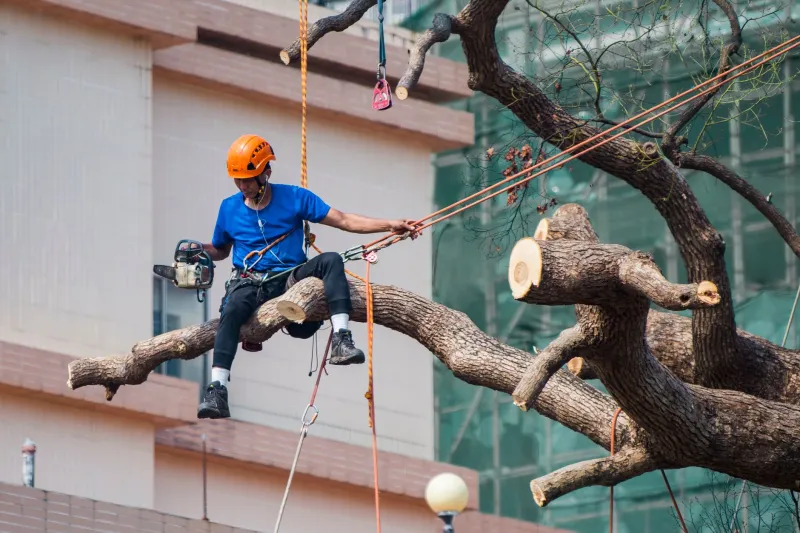
If you take one practical action after reading this, make it this: schedule a professional arborist inspection of any significant trees on your property and keep the written report. Note the date, the findings, and any recommendations made. If work is performed, keep those records too.
This documentation serves multiple purposes. It supports any insurance claim you need to make by demonstrating proactive care. It creates a baseline record of tree condition that can be valuable if a liability dispute ever arises. And practically speaking, it often surfaces problems while they're still manageable—before a stressed limb becomes an emergency situation at two in the morning during a March blizzard.
The trees on your Boulder property are genuinely valuable assets. Treating them—and the insurance questions around them—with the same seriousness you'd apply to your roof or your foundation is just smart homeownership.